
What is the average monthly cost for a construction site toilet? It typically ranges from $150 to $300 per month. It depends on the type of unit, weekly service requirements, job site conditions, and regional pricing differences.
Standard units fall near the lower end of the scale, while ADA-compliant or specialty models approach the higher end. Long-term construction projects across the United States often secure stable pricing because vendors schedule predictable weekly service and consistent maintenance.
Markets with higher transportation or labor costs tend to sit 10–15% above national averages, while competitive regions may drop slightly below standard rates. Most contractors find that a monthly rental provides the best balance of cost, compliance, and crew convenience throughout the project timeline.
Key Factors That Influence Porta Potty Rental Pricing
Porta potty rental pricing varies according to the practical needs of each construction site. Specialty units such as ADA-compliant models and those with integrated handwashing features command higher rates than standard units due to their size and build requirements.
Longer rental durations typically secure steadier monthly pricing because providers can maintain a predictable service routine.
High-traffic construction zones often require more frequent servicing to maintain sanitation, and that added maintenance affects the rental amount. Larger sites with multiple work areas may need units placed across several zones, increasing overall service needs.
Contractors working in growing markets often review area-specific considerations, such as porta potty rental in Concord, when planning long-term or multi-unit setups.
| Pricing Factor | How It Affects Cost | Typical Impact Range |
| Unit Type | Specialty units, such as ADA-compliant models or versions with wash features, cost more than standard units | Raises rate by 20–40% depending on design |
| Rental Duration | Multi-month projects secure steadier pricing due to predictable service schedules | Reduces monthly cost across longer terms |
| Service Frequency | Increased cleaning cycles add labor and disposal costs | Adds 10–25% based on usage |
| Location & Accessibility | Remote or challenging delivery conditions increase transport time | Adds variable transport-related charges |
| Project Size | More workers require more units and more frequent servicing | Scales cost proportionally |
| Site Conditions | Terrain or multi-zone staging may require additional placement planning | May add minor setup considerations |
These factors work together to shape the final price quoted for a construction site. Markets with heavy development demand often experience slight cost differences, while long-term projects benefit from stable, recurring service schedules that reduce unexpected expenses.
Contractors typically evaluate these factors early in their planning process to avoid delays and secure the most accurate rental cost for the duration of the project.
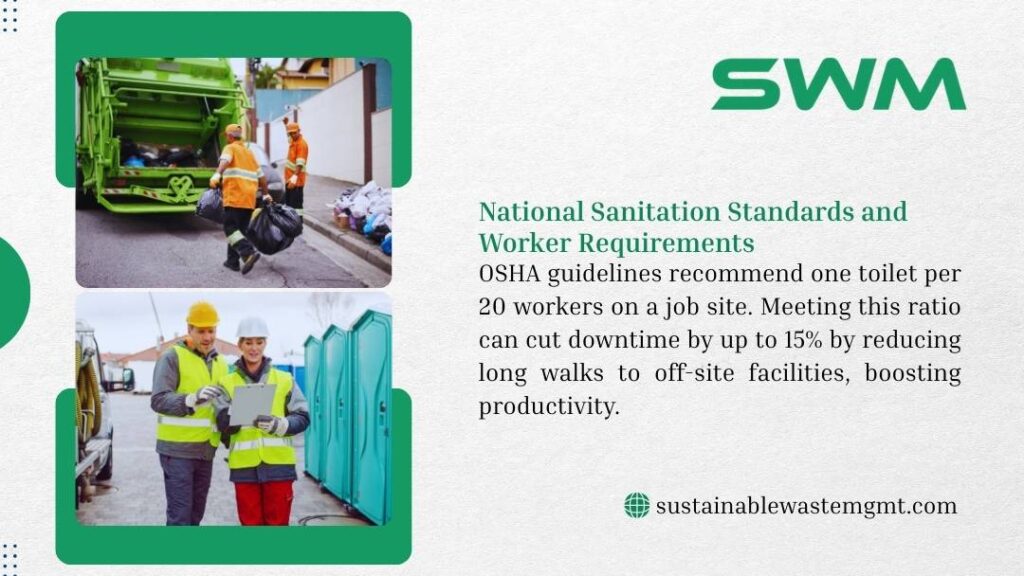
Cost Reference Based on Common Market Rates
Contractors often want a clear table that outlines typical pricing across standard options so they can compare units by purpose and cost. The following table reflects widely accepted national averages, with most regions falling inside these ranges. Heavy construction areas and seasonal markets may shift slightly upward.
| Type of Portable Restroom | Average Monthly Rental Cost | Notes |
| Standard porta potty | $150–$250 | Works for most construction sites |
| ADA-compliant porta potty | $250–$350 | Required on many commercial or public projects |
| Standard unit with handwashing station | $175–$275 | Higher due to added handwashing equipment |
| Premium serviced unit | $250–$325 | Suitable for sites with higher usage levels |
These ranges reflect the typical cost landscape nationwide. Most North Carolina contractors review localized pricing structures through resources such as the porta potty rental cost guide when planning long-term projects, though the national ranges remain consistent.
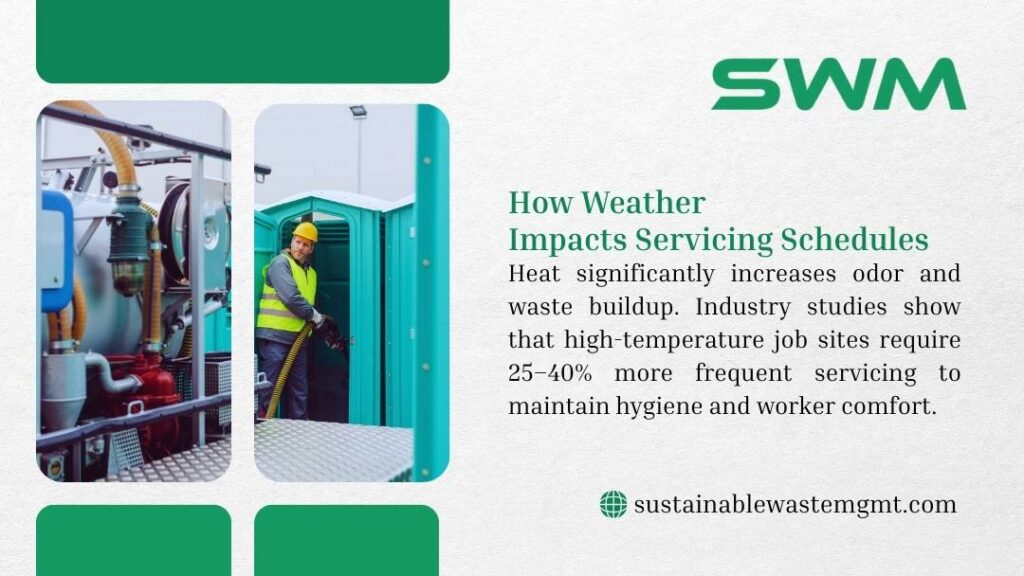
Daily, Weekend, and Monthly Rates on Construction Sites
Construction timelines vary greatly, and rental structures adjust to match the duration and urgency of each project. Day-rate pricing supports short-duration or rapid-turnaround work and tends to sit higher per day due to the condensed installation and pickup schedule.
Weekend rentals serve two- to three-day needs and follow their own structure shaped by limited duration and availability windows. Monthly rentals remain the most economical choice for ongoing construction because service occurs consistently across the full project timeline.
Below is a concise comparison outlining how each rental type functions in practice.
| Rental Type | Typical Use Case | General Cost Behavior | Additional Notes |
| Daily Rate | Short-term or rapid-turnaround construction tasks | Higher per-day cost due to compressed scheduling | Often referenced when reviewing porta potty rental cost per day |
| Weekend Rate | Two- to three-day projects or event-related builds | Slightly elevated rate due to limited duration and weekend availability | Common for planners reviewing weekend porta potty rentals |
| Monthly Rate | Multi-week or multi-month construction projects | Most economical over time with steady weekly service | Often considered by crews using construction toilet rental in Charlotte |
Short-term rentals support temporary needs, but long-term projects rely heavily on monthly arrangements because they offer predictable service, stable cost, and uninterrupted access for every phase of construction.
Renting vs. Buying for Construction Projects
Contractors sometimes compare rental pricing to the cost of owning a portable toilet. Buying requires a substantial upfront investment, and all service responsibilities, including pumping, cleaning, repairs, transport, and seasonal preparation, shift entirely to the contractor. These ongoing obligations continue even when projects pause or relocate.
Renting eliminates these burdens and keeps sanitation predictable across varied job sites. The comparison below highlights the practical cost differences without repeating earlier considerations.
| Option | Upfront Cost | Ongoing Cost | Best For |
| Renting | No capital expense | Service, pumping, and maintenance included | Contractors with projects that vary in size and duration |
| Buying (Standard Unit) | $700–$1,200 | Separate pumping, cleaning, and repairs are required | Firms with internal maintenance capability |
| Buying (ADA Unit) | $1,800–$3,000 | Higher upkeep due to the larger tank and components | Large companies with fixed long-term sites |
Most contractors in North Carolina prefer rental support because it keeps sanitation reliable without tying up capital or labor. Regional resources such as porta potty rental in North Carolina help crews maintain clean, serviced units without the pressure of ownership.
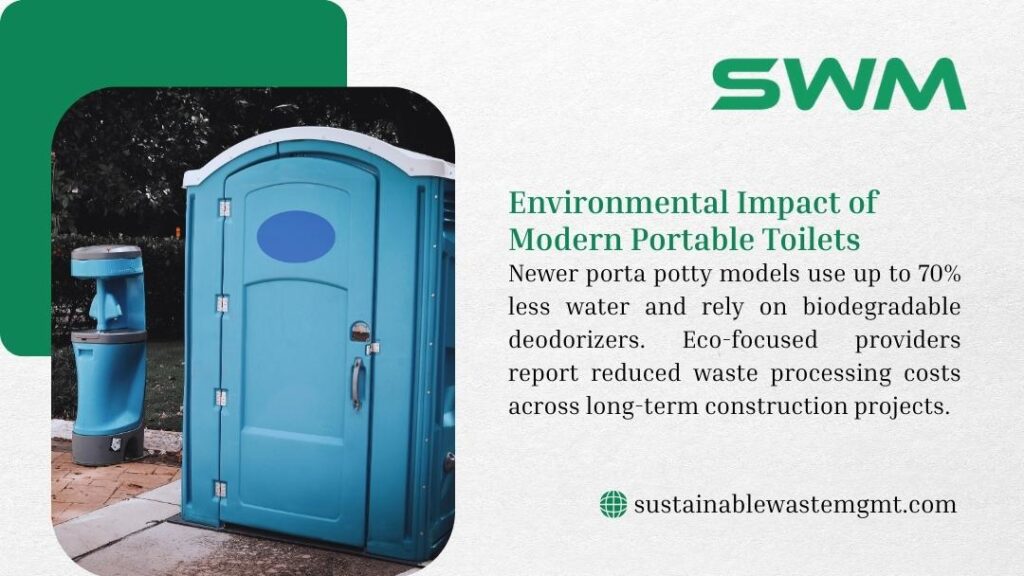
Why Monthly Rentals Remain the Most Practical Choice
Monthly rentals give contractors steady access to clean, serviced restroom facilities without the complications associated with maintenance or equipment ownership. A construction crew works faster when restrooms remain close to active work zones, and weekly service keeps units ready for daily use even during high-production phases.
Because monthly pricing stays predictable, contractors can budget accurately for the duration of the project without worrying about repairs, service interruptions, or additional sanitation responsibilities.
Projects with multiple subcontractors, heavy labor demands, or extended timelines benefit the most from this approach. Consistent restroom access supports productivity, reduces disruptions, and helps maintain a safe, compliant job site. Contractors across the region often reference the company’s porta potty services when planning long-term builds.
Sustainable Waste Management provides contractors with standard units, ADA-compliant models, long-term rental options, and maintenance schedules shaped for demanding job sites. Reliable sanitation protects productivity, supports safety requirements, and simplifies planning for every phase of construction. Contractors who want accurate pricing tailored to their project can connect directly through the contact page to request a quote.